Relieving Sciatica and Lumbar Disc Pain From Brake Pedal Bracing After a Portland Auto Accident
Navigating heavy, stop-and-go traffic along SE Powell Blvd or driving through a sudden Pacific Northwest downpour demands quick reflexes. When traffic abruptly halts or an unexpected collision becomes unavoidable, a driver’s immediate, instinctual reaction is to slam their right foot firmly onto the brake pedal and brace for impact. While this defensive response is entirely natural, it straightens and rigidly locks the knee and leg. In the fraction of a second when your vehicle collides with another, the massive kinetic energy of the crash travels backward through the front bumper, into the floorboard and brake pedal, and shoots straight up your locked leg. This violent force is absorbed directly into your hip, pelvis, and lumbar spine. Many accident victims walk away from a crash focusing only on their neck, only to wake up days later with a deep, throbbing ache in their lower back or a sharp, electric pain radiating down their leg.

The Biomechanics of Brake Pedal Impact and Oregon PIP Coverage
To understand why bracing against the brake pedal causes severe leg and lower back pain, you have to look at how kinetic forces affect the skeletal structure. When your leg is rigidly braced during a frontal or rear-end collision, it acts as a rigid ram, transferring the immense mechanical load directly into the base of your spine. This abrupt compressive loading places unnatural, crushing pressure on the shock-absorbing intervertebral discs of your lower back. Under this intense force, the discs can bulge outward or rupture, resulting in painful herniated discs.
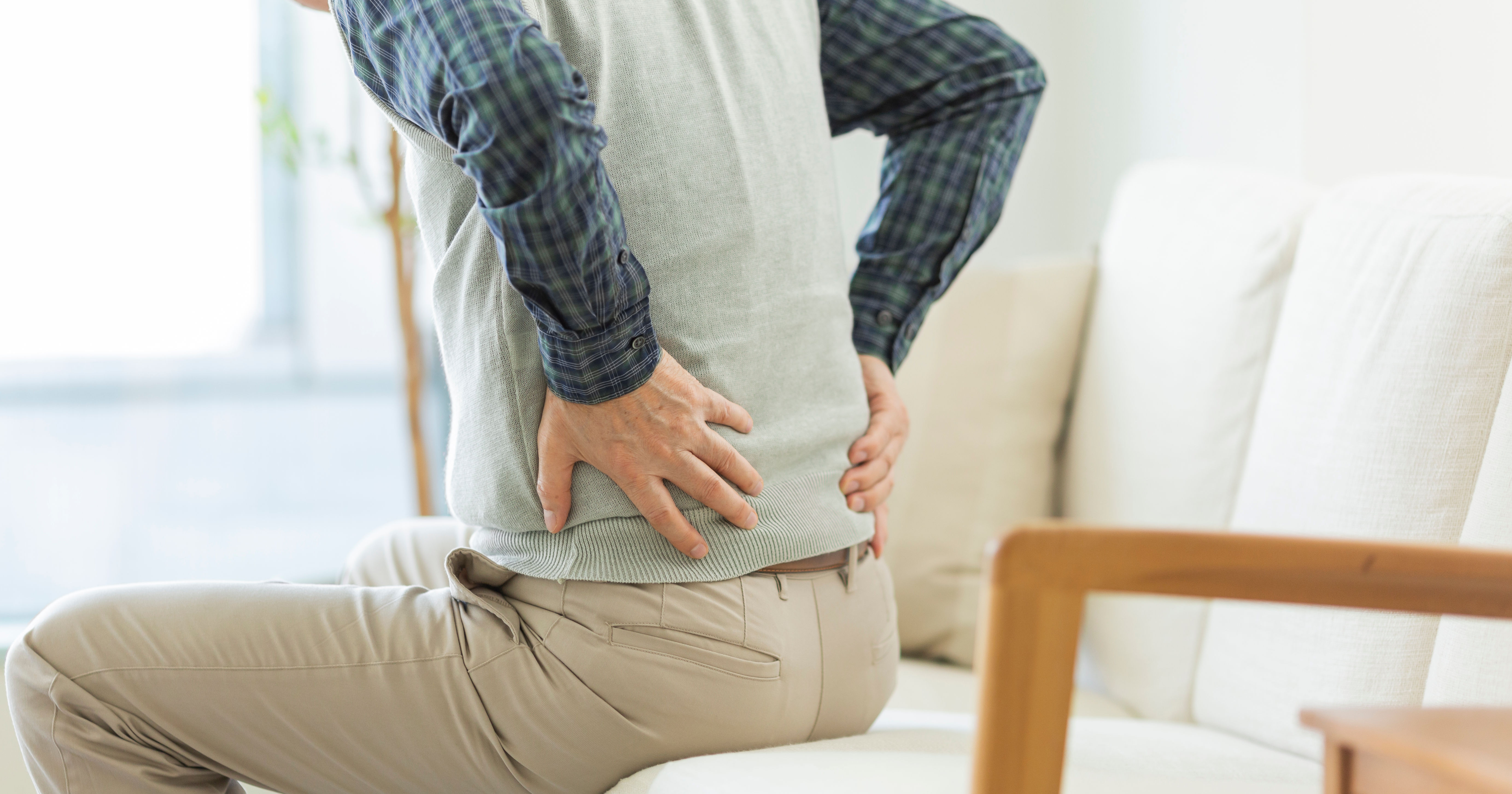
When a displaced lumbar disc or the resulting inflammation presses against the surrounding nerve roots, it triggers a condition known as sciatica. This nerve compression sends sharp, shooting pain, tingling, numbness, or severe muscular weakness radiating from the lower back down through the buttocks, thigh, and foot. Compounding this nerve distress are extensive soft tissue injuries, as the violent impact overstretches stabilizing ligaments and causes deep muscle spasms throughout the lower back and pelvic girdle.
Because disc bulges and nerve compression develop gradually as internal swelling peaks, ignoring these initial symptoms is a dangerous mistake that can lead to chronic nerve damage and permanent mobility restrictions. Fortunately, Oregon drivers are legally protected by Personal Injury Protection (PIP) insurance. Because Oregon operates under a no-fault auto insurance system, your PIP policy covers necessary medical and chiropractic rehabilitation up to your policy limits, regardless of who caused the accident. This crucial safety net ensures you can seek immediate, specialized care to decompress your spine without the stress of out-of-pocket expenses while you heal.
Restoring Lumbar Alignment and Nerve Function with Chiropractic Care
Overcoming sciatica and lumbar collision trauma requires a structural, biomechanical approach rather than simply relying on pain medications or muscle relaxers that merely mask the underlying mechanical compression. At Accident & Wellness Chiropractic, our clinical auto injury treatment protocols focus on identifying and correcting the precise vertebral misalignments and disc restrictions caused by the crash. We evaluate your entire lower kinetic chain—from your feet and knees up through your pelvis and lumbar spine—to locate the root cause of your pain.
Our doctors utilize gentle, targeted chiropractic adjustments for effective treatment of back pain. By carefully realigning the lumbar vertebrae and restoring proper pelvic mechanics, we relieve the physical pressure on compromised discs, creating the necessary space for irritated sciatic nerve roots to heal. This realignment immediately calms the surrounding nervous system and stops the cycle of radiating leg pain.
To accelerate your recovery and ensure a complete structural rehabilitation, our customized treatment plans seamlessly integrate clinical massage therapy. Focused soft-tissue work is exceptionally effective for breaking down stubborn scar tissue, relaxing deep muscle spasms in the glutes and lower back, and stimulating the nutrient-rich blood circulation required to repair damaged ligaments and muscular tissue. By simultaneously treating both your skeletal alignment and the surrounding soft-tissue trauma, we empower your body to recover fully and safely.
Don't let shooting leg or lower back pain dictate your daily life. Seeking early intervention is critical for preventing acute disc compression from becoming a permanent source of chronic discomfort. Contact our clinic today to schedule a comprehensive structural evaluation.
Call us at (503) 206-8863 or visit us in person at our Portland location.
About the Medical Reviewer
 Medically Reviewed by Dr. Neal Stumpf D.C.
Dr. Neal Stumpf is a licensed chiropractor based in Portland, Oregon, specializing in auto injury recovery, soft tissue therapies, and structural alignment at Accident & Wellness Chiropractic.
Medical Disclaimer: The information provided in this article is for educational and informational purposes only and does not constitute medical advice. Reading this article does not establish a doctor-patient relationship with Dr. Neal Stumpf or Accident & Wellness Chiropractic. Always consult with a qualified healthcare provider regarding any specific medical conditions or treatment.
Latest Posts

Portland Office Ergonomics and Spine Strain Relief
October 19, 2026

Portland T-Bone Accident Shoulder & Rib Relief
October 12, 2026

Portland Pedestrian Accident PIP and Chiropractic Care
October 05, 2026