Why Sitting Hurts After a Car Accident: Unmasking Iliopsoas Muscle Strain and Lumbar Pain in Portland Drivers
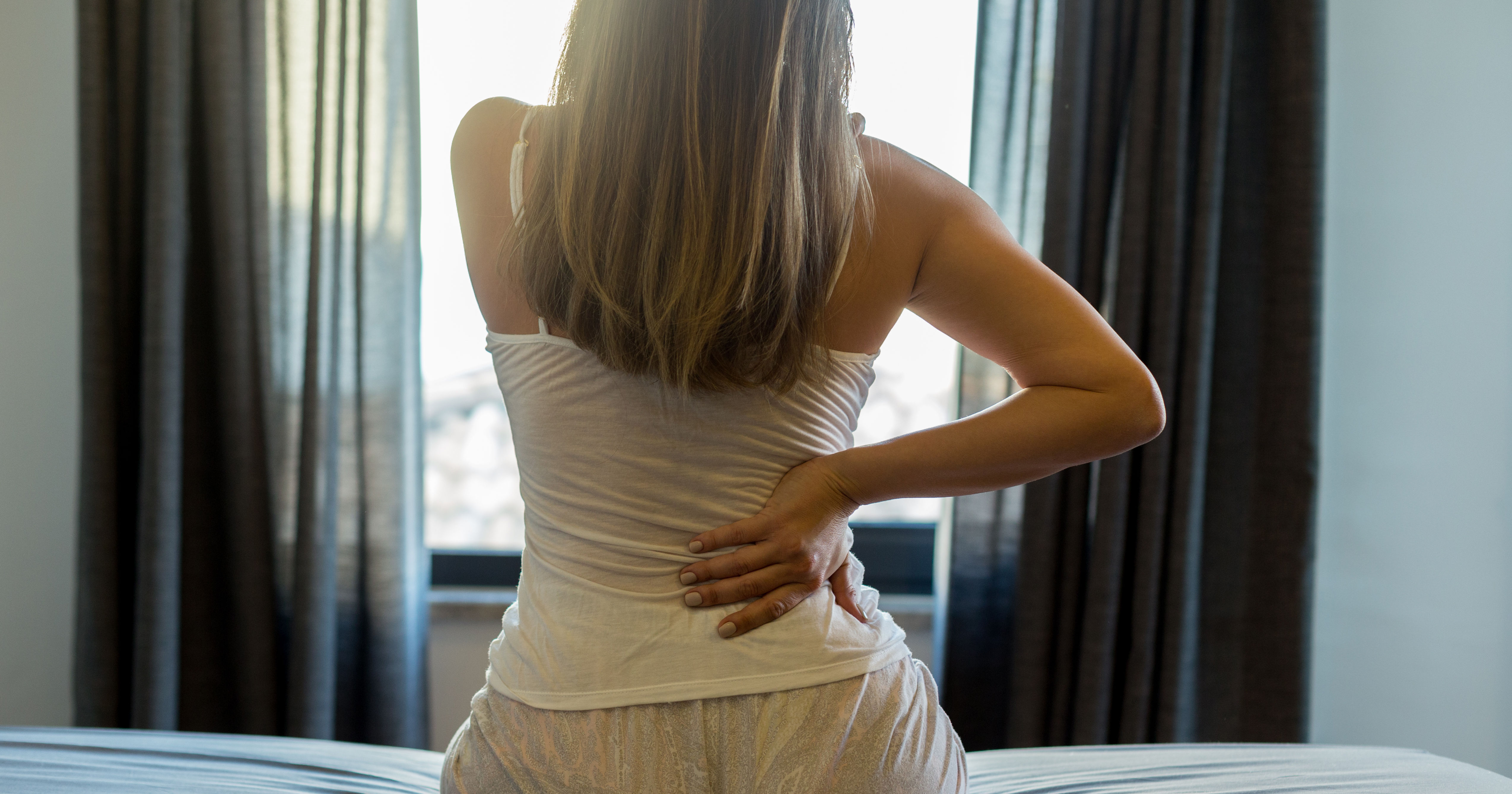
Returning to work or resuming your daily driving routine along SE 82nd Ave after a motor vehicle collision often seems like a positive step forward. However, many accident victims in Portland quickly encounter a frustrating and unexpected obstacle: simply sitting in an office chair or car seat triggers debilitating lower back stiffness, deep groin aches, and radiating hip discomfort. While most people anticipate soreness immediately following a fender-bender on a slick Pacific Northwest afternoon, experiencing severe back pain with sitting after an auto accident can feel alarming and confusing. When sitting upright—a relatively static posture—causes more discomfort than standing or walking, the underlying issue is rarely just a simple surface bruise. In many cases, this specific sitting discomfort is driven by acute collision trauma to the iliopsoas muscle, a deep, powerful hip flexor that anchors your legs directly to your lumbar spine.
The Biomechanics of Iliopsoas Muscle Strain and Oregon PIP Coverage
To understand why sitting exacerbates your lower back pain after a crash, you have to examine the unique anatomical role of the iliopsoas. This complex muscle group originates along the front of your lower lumbar vertebrae, passes down through the pelvic basin, and attaches to the upper femur (thigh bone). Its primary function is to flex the hip and stabilize the lower spinal column. During a sudden frontal or rear-end collision, your instinctual reaction is to brace your lower body against the floorboard or brake pedal. As the massive kinetic energy of the crash decelerates your vehicle, the iliopsoas contracts violently to stabilize your torso and pelvis against the seatbelt restraint.
This abrupt, high-velocity contraction overstretches and micro-tears the deep muscle fibers, resulting in severe low back pain related to the iliopsoas muscle. Following the crash, the injured iliopsoas enters a state of persistent, hyper-tonic spasm to protect itself from further trauma. When you sit down, your hips are flexed at a 90-degree angle, forcing the iliopsoas into a shortened, contracted position. Because the muscle is already inflamed and spastic, sitting causes it to lock down further. This tight, shortened muscle acts like a bowstring, pulling forcefully forward on your lumbar vertebrae, compressing spinal discs, and distorting your natural pelvic alignment.
Because deep muscle spasms and ligament tears cannot be detected on standard emergency room X-rays, patients are frequently told to simply rest, leaving the root mechanical pull unresolved. Fortunately, drivers in Oregon are protected by mandatory Personal Injury Protection (PIP) insurance. Under Oregon's "no-fault" auto insurance mandate, your PIP benefits provide an essential financial safety net, covering comprehensive diagnostic evaluations and conservative rehabilitation for up to two full years from the date of the collision, regardless of who caused the accident. This vital coverage ensures you can seek immediate care to release deep muscular guarding without the burden of out-of-pocket expenses while you heal.
Rebuilding Lumbar Stability and Pelvic Balance with Chiropractic Care
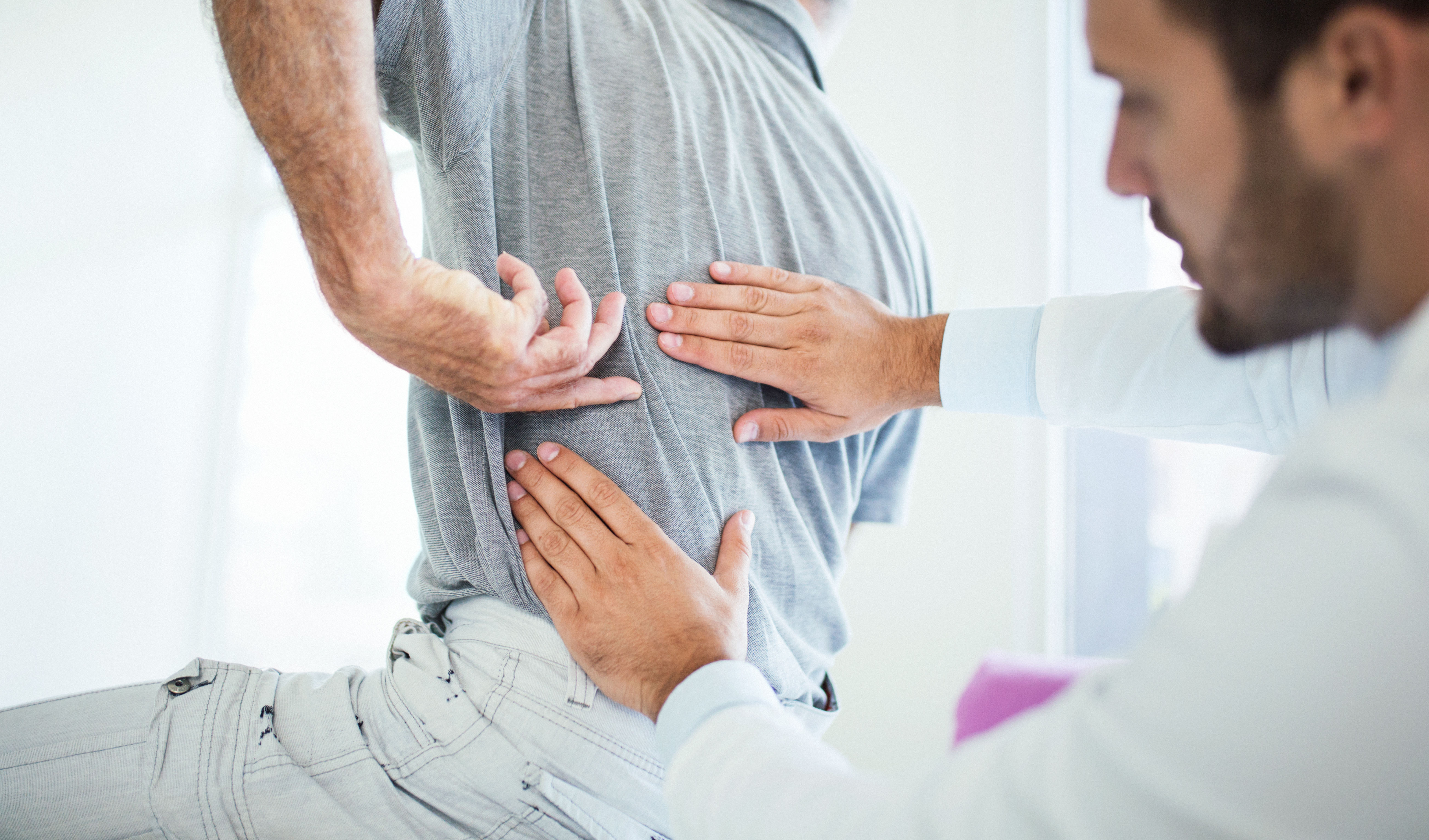
Overcoming sitting-induced lower back pain requires a precise, biomechanical approach that addresses both your spinal alignment and deep muscular guarding. At Accident & Wellness Chiropractic, our clinical team provides comprehensive auto injury treatment designed to evaluate your entire lower kinetic chain. We perform a thorough structural and neurological assessment to identify vertebral subluxations, pelvic tilts, and deep iliopsoas spasms caused by the impact.
Through gentle, targeted adjustments, we provide specialized back pain treatment to carefully realign misaligned lumbar vertebrae and restore fluid mobility to restricted sacroiliac joints. Correcting these mechanical subluxations relieves physical pressure on compromised intervertebral discs and stops the abnormal mechanical pull on your lower spine.
To accelerate cellular healing and release deep-seated tension, our customized rehabilitation plans seamlessly integrate clinical massage therapy. Focused soft-tissue rehabilitation is exceptionally effective for breaking down stubborn adhesions, releasing chronic spasms within the iliopsoas and surrounding hip musculature, and stimulating nutrient-rich blood circulation to damaged tissues. By treating both your underlying skeletal architecture and the surrounding soft-tissue trauma simultaneously, we empower your body to heal cleanly and flexibly, allowing you to sit, work, and drive pain-free throughout your daily routine.
Don't let lower back pain and sitting discomfort disrupt your active lifestyle. Taking early, proactive steps toward conservative structural care is the most reliable way to release deep muscle spasms before chronic scar tissue sets in. Contact our clinic today to schedule a comprehensive injury evaluation and let our experienced team help you navigate your Oregon PIP benefits.
Call us at (503) 206-8863 or visit us in person at our Portland location.
About the Medical Reviewer
 Medically Reviewed by Dr. Neal Stumpf D.C.
Dr. Neal Stumpf is a licensed chiropractor based in Portland, Oregon, specializing in auto injury recovery, soft tissue therapies, and structural alignment at Accident & Wellness Chiropractic.
Medical Disclaimer: The information provided in this article is for educational and informational purposes only and does not constitute medical advice. Reading this article does not establish a doctor-patient relationship with Dr. Neal Stumpf or Accident & Wellness Chiropractic. Always consult with a qualified healthcare provider regarding any specific medical conditions or treatment.
Latest Posts
Why Sitting Hurts After a Portland Auto Crash
October 26, 2026

Portland Office Ergonomics and Spine Strain Relief
October 19, 2026

Portland T-Bone Accident Shoulder & Rib Relief
October 12, 2026